Nutrition Planning for Busy Schedules
Learn how to organize balanced meals and develop sustainable eating habits, even when time is limited.
Explore Time-Efficient Meal Planning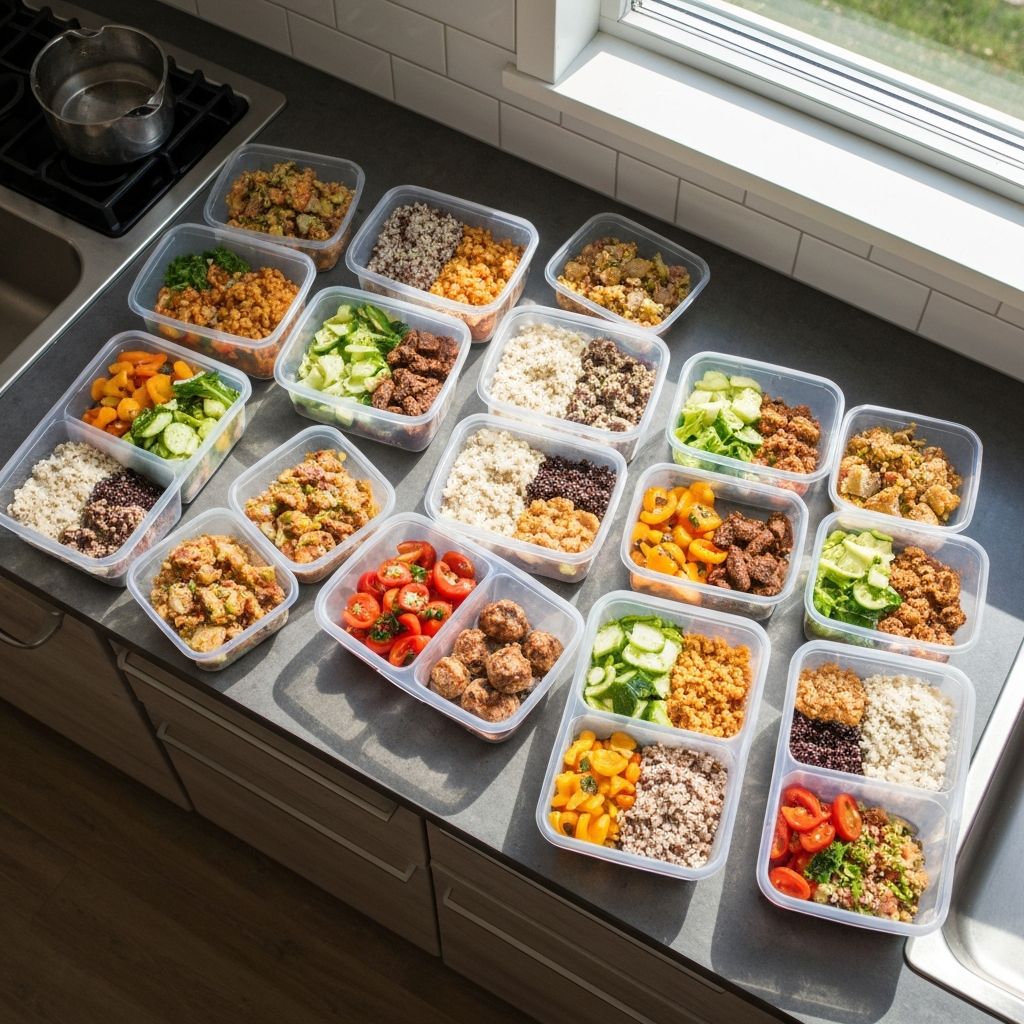
Learn how to organize balanced meals and develop sustainable eating habits, even when time is limited.
Explore Time-Efficient Meal Planning
Understanding the importance of organized eating patterns in daily life
Consistent meal timing and balanced food choices help maintain stable energy levels during busy workdays.
Planning meals in advance eliminates daily stress about what to eat, freeing mental energy for other priorities.
Simple, organized nutrition routines are easier to maintain long-term than complicated eating patterns.

Many people face similar obstacles when trying to maintain balanced eating habits:
Understanding these challenges is the first step toward developing practical solutions that fit your lifestyle.
Educational framework for organizing nutrition with limited time
Focus on including protein, vegetables, and carbohydrates in each meal. This simple framework makes planning easier without complex calculations.
Cooking multiple portions at once saves time throughout the week. Simple batch preparation makes busy days more manageable.
Complicated recipes often lead to inconsistency. Simple, repeatable meals are easier to maintain long-term.
Your eating pattern should fit your lifestyle, not the other way around. Flexibility is key to sustainability.
Practical examples of time-efficient meal options
Eggs, canned fish, pre-cooked chicken, tofu, legumes
Pre-washed salads, frozen vegetables, cherry tomatoes, cucumbers
Rice, bread, pasta, potatoes, oats
Nuts, fruit, yogurt, sandwiches, meal containers
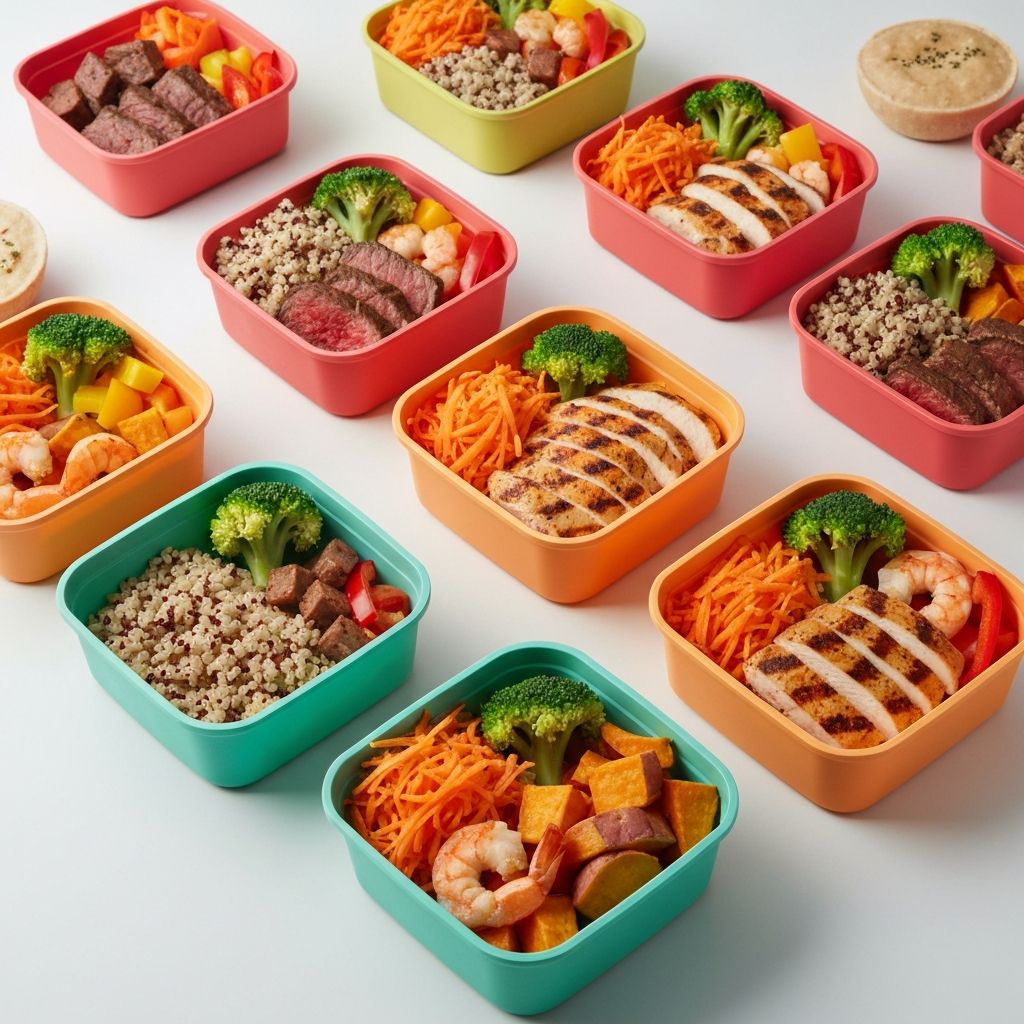
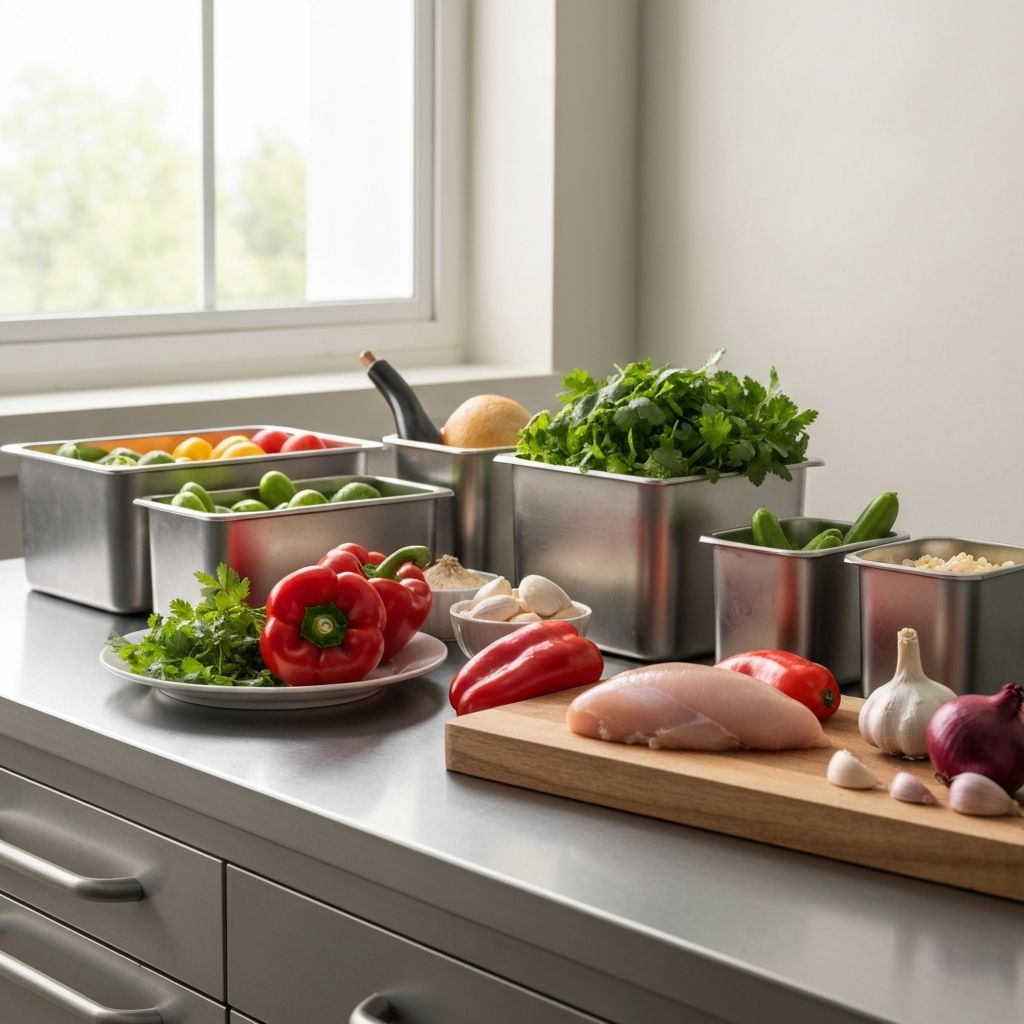
Set aside 15-20 minutes weekly to outline your meals. Consider your schedule and choose realistic options.
Shop once or twice weekly with a list. Focus on versatile ingredients that work in multiple meals.
Dedicate 1-2 hours for cooking multiple portions. Store in containers for grab-and-go convenience.
Use clear containers and label with dates. Keep commonly used items accessible and visible.
People with demanding work schedules who need practical meal organization strategies.
Individuals who travel regularly and need adaptable eating patterns.
Anyone seeking education on basic nutrition organization and habit formation.
The educational approach helped me understand how to organize meals around my schedule. The planning principles are straightforward and practical.
Learning about batch preparation changed my weekdays completely. Having guidance on time-efficient nutrition was exactly what I needed.
Most people spend 15-20 minutes planning and 1-2 hours preparing food weekly. The time investment often saves hours during busy weekdays.
Meal planning education starts with basic concepts. Many effective meal options require minimal cooking skills.
Create a simple list based on your planned meals. Focus on versatile ingredients that work across multiple dishes to minimize shopping time.
Yes. The principles adapt to various schedules. Flexible meal timing and portable options accommodate unpredictable days.
Travel nutrition education includes strategies for maintaining organized eating patterns away from home, including portable meal ideas.
Get guidance on organizing nutrition with limited time
Send a Consultation Request